✨ New Arrivals Just Dropped!Explore

Fabergé Silver Service
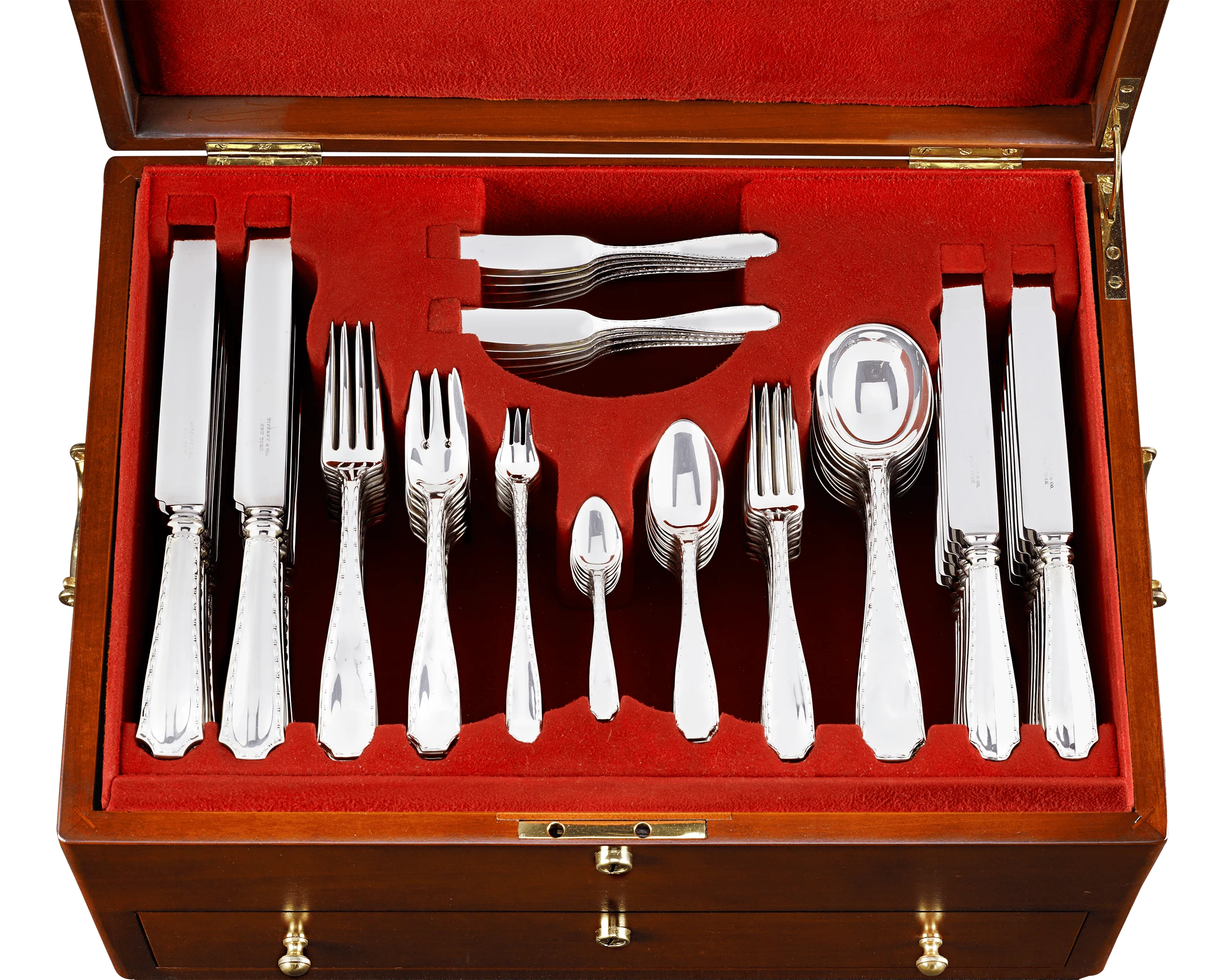
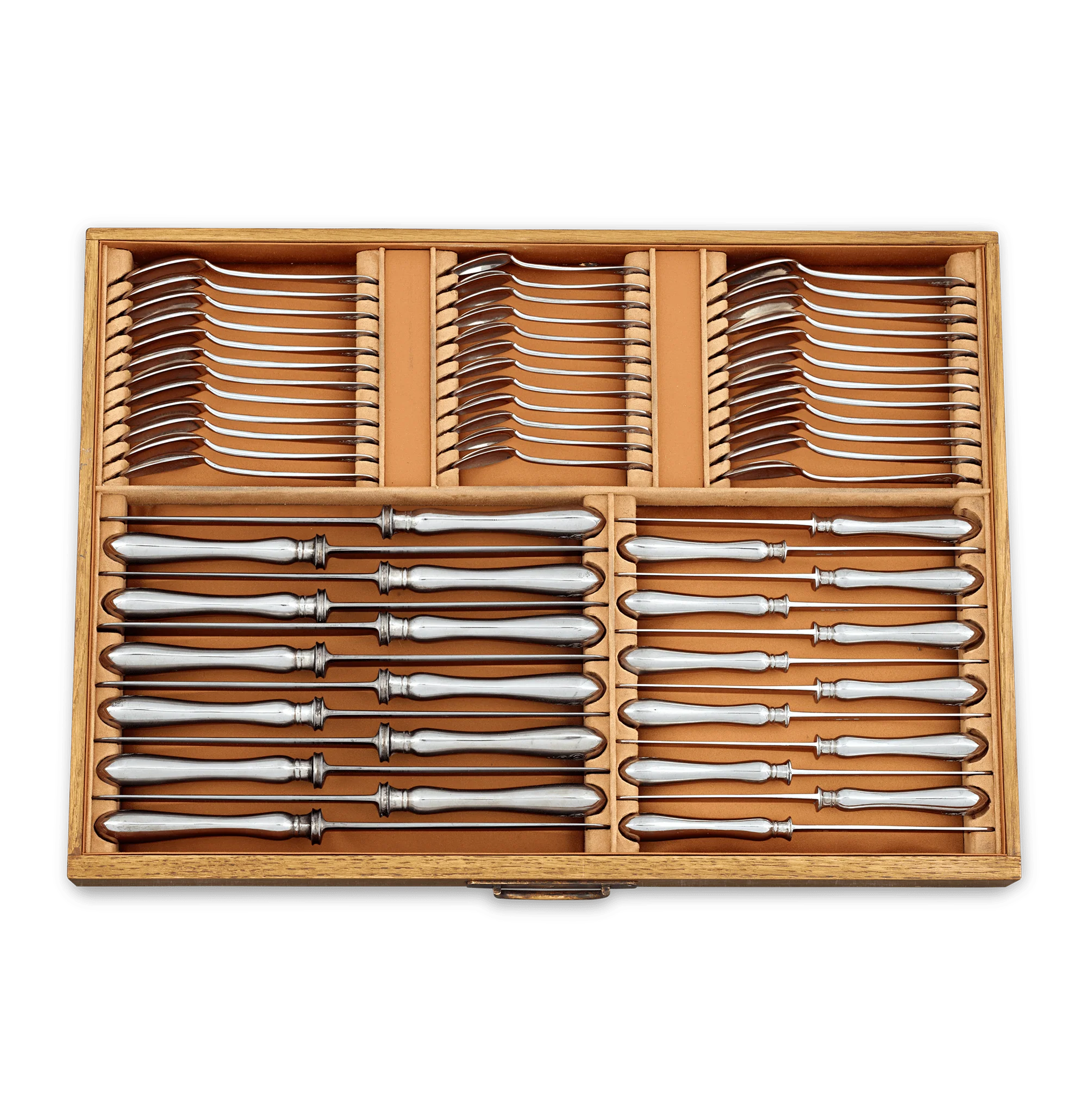
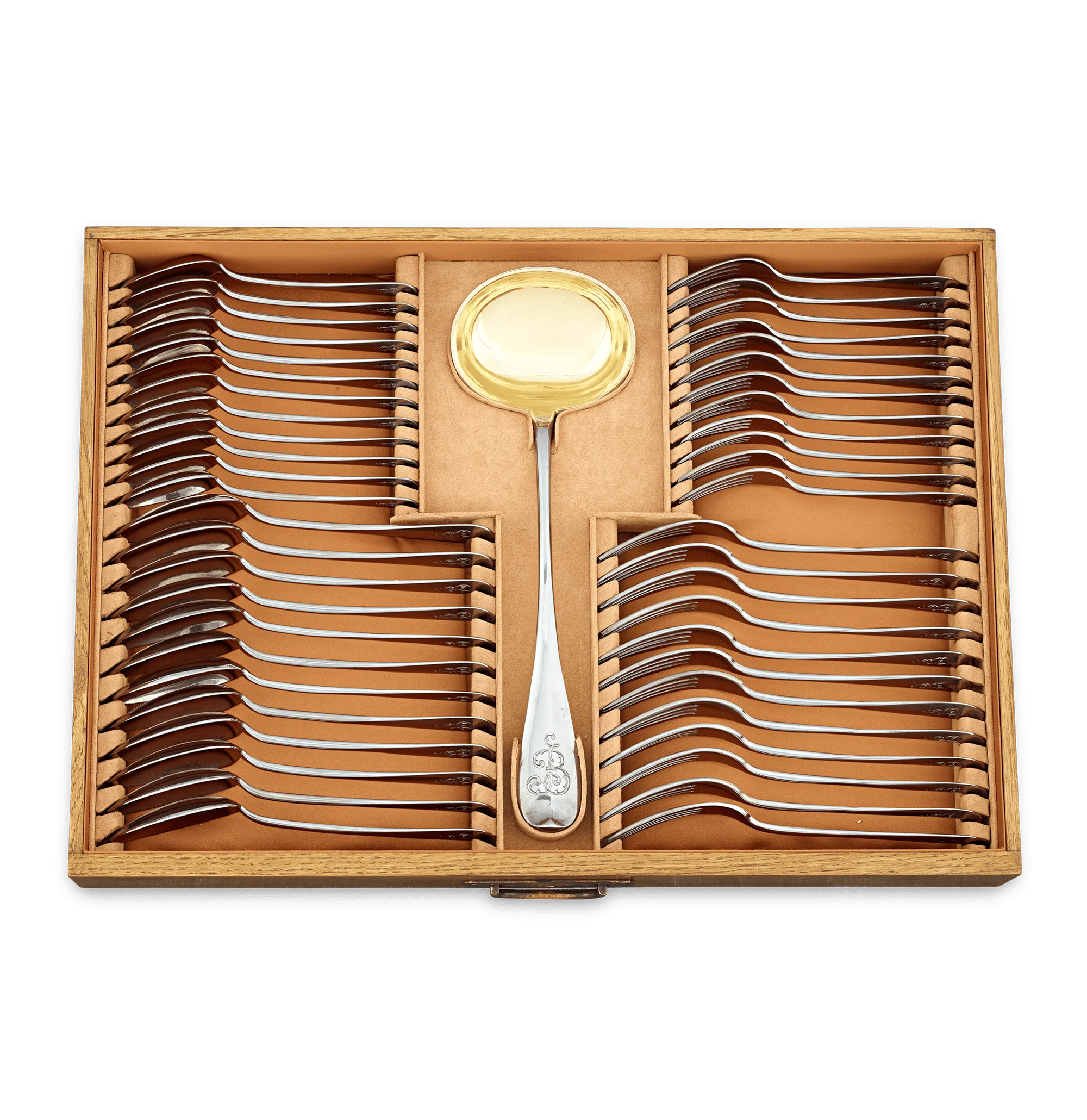
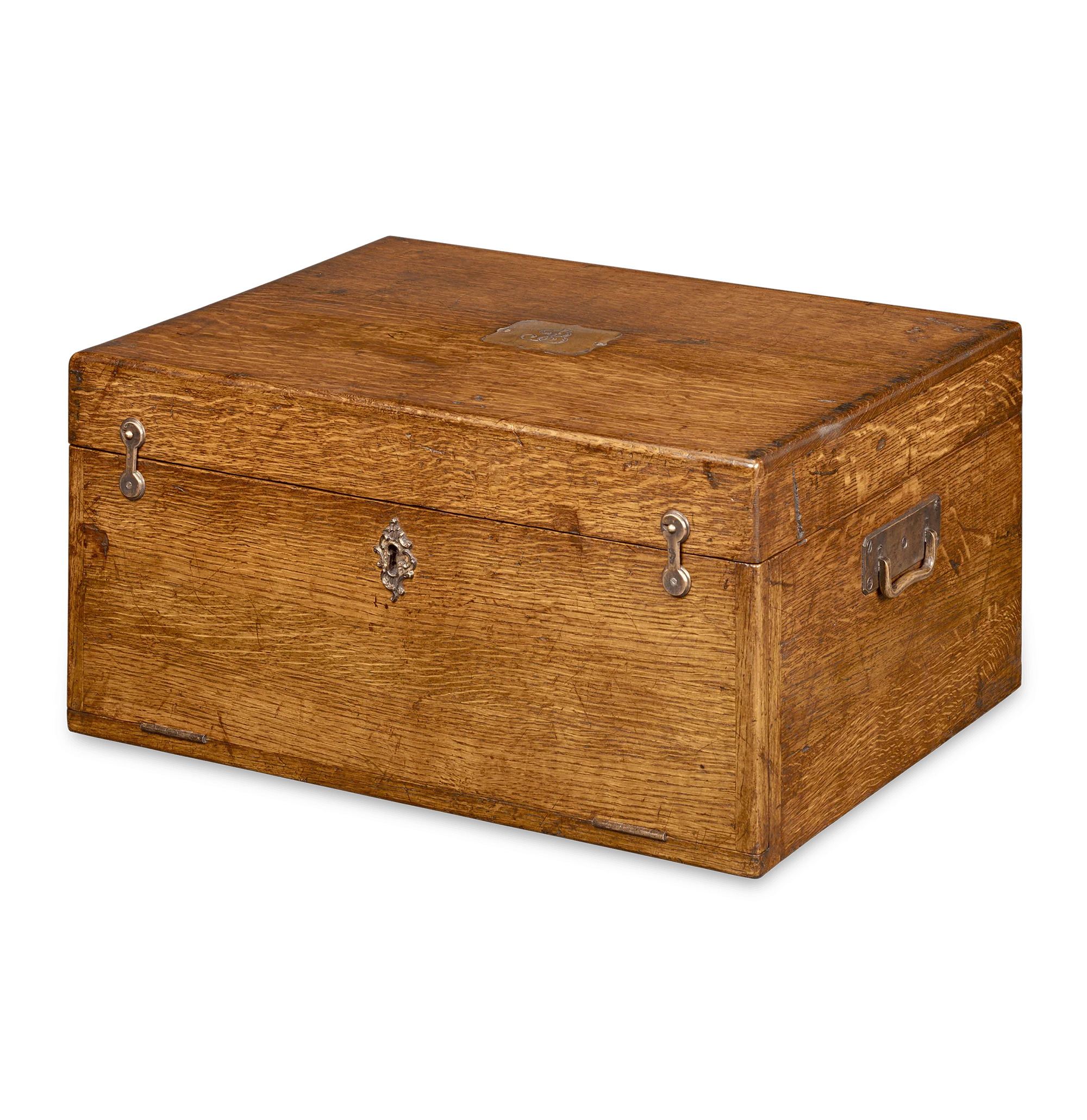
This extraordinary 128-piece service by Fabergé is a rare treasure in more ways than one. Enclosed in its original oak chest, the exquisite service remains complete and in pristine condition—a feat given the rarity of Fabergé silver from this era. Featuring a full set of dinner and dessert flatware as well as 6 rare samovar teacups, this service is a testament to the unparalleled elegance of this world-famous firm.
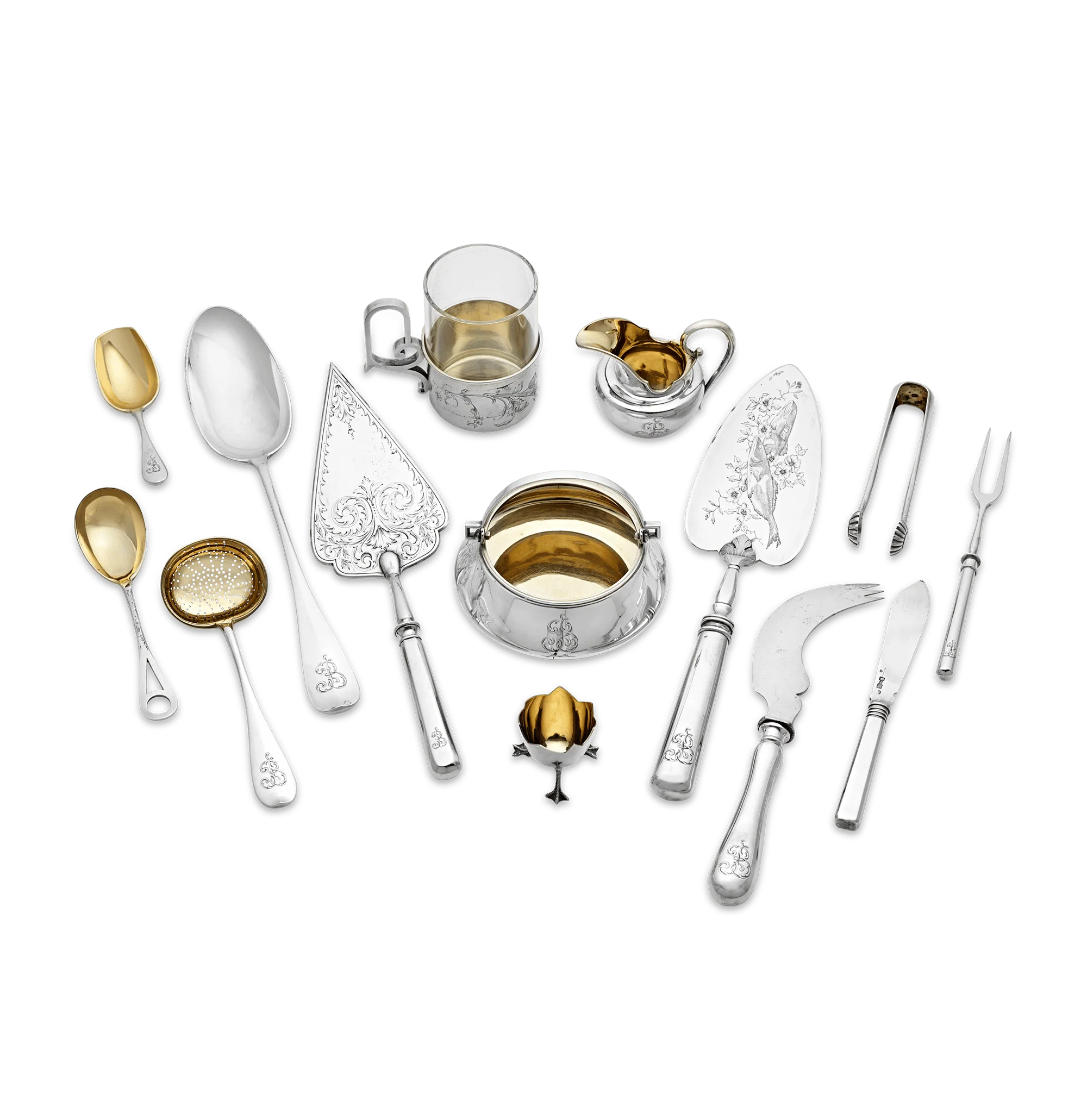
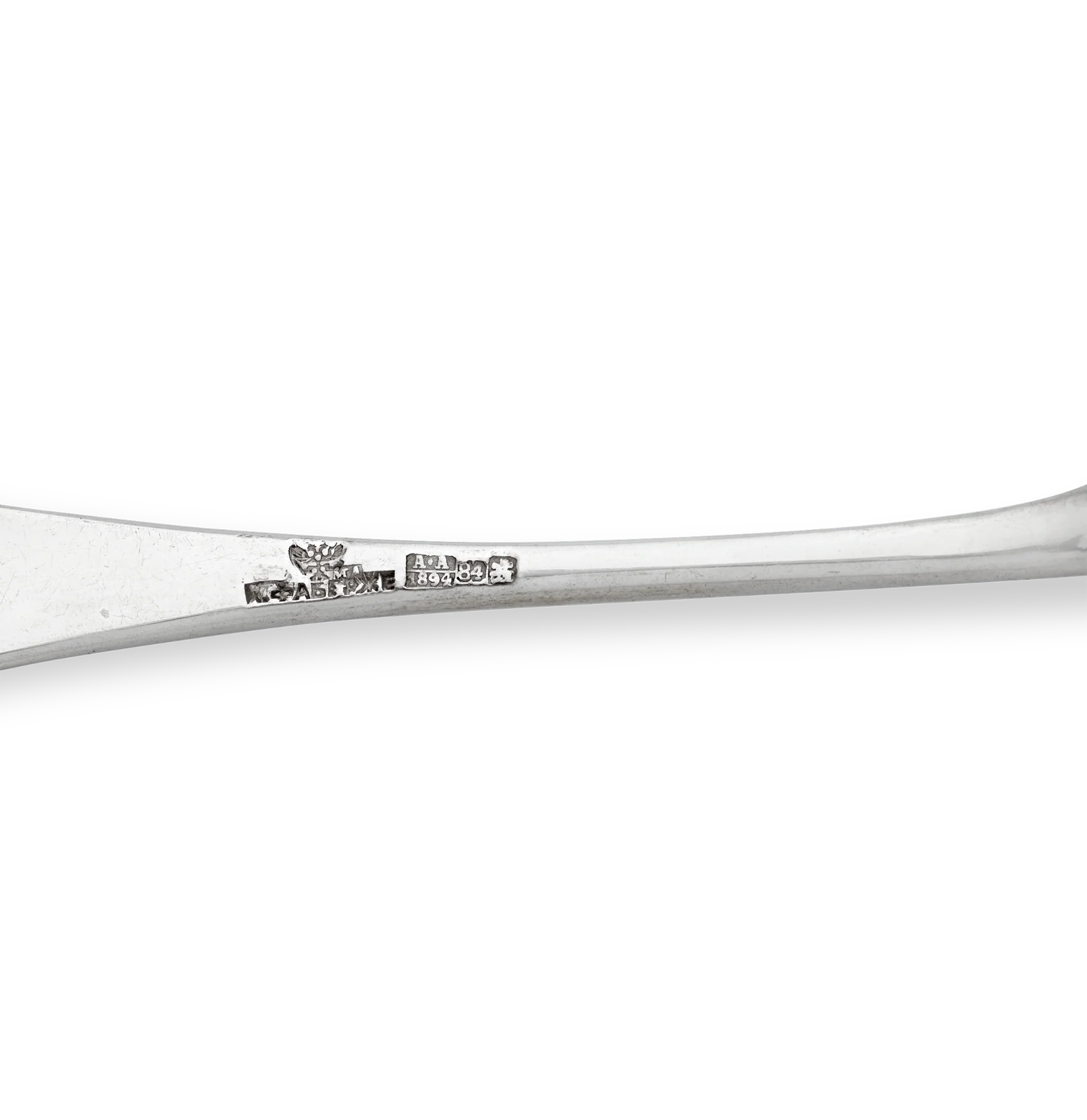
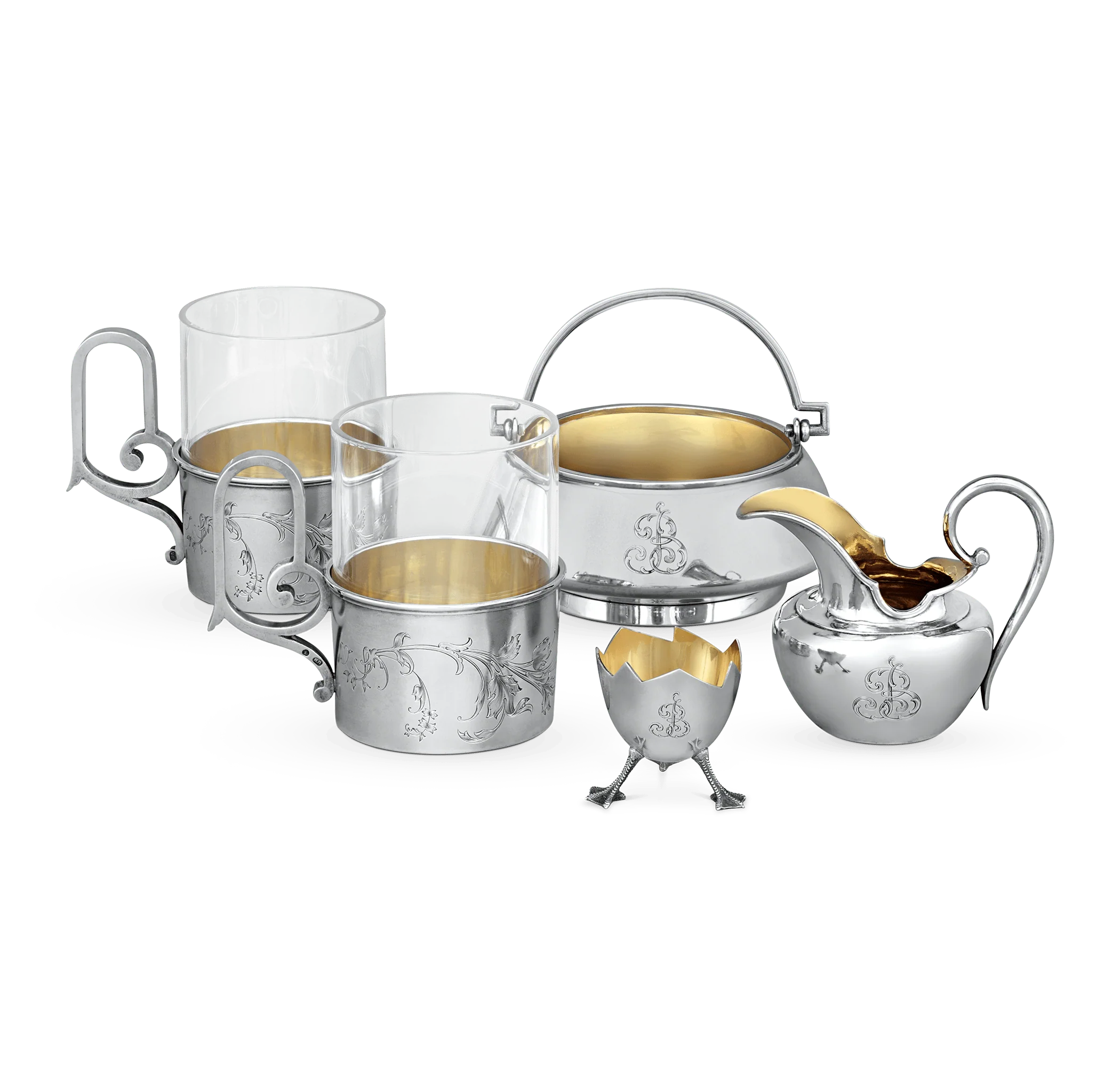
This exemplary set epitomizes the height of Fabergé silver craftsmanship, with each piece and its original fitted chest meticulously hallmarked with the Fabergé seal and Imperial Warrant. Exuding sophistication and refinement, this service features delicate foliate engravings and partial gilding and includes unique items such as an egg cup, lemon fork and tea strainer, providing the ultimate tea, coffee and dessert experience. For a full list of contents, please see below.
Fabergé was founded in 1842 in Saint Petersburg, Russia, by Gustav Fabergé. In 1872, Peter Carl Fabergé took over his father's small jewelry atelier and transformed it into the world's most important decorative arts enterprise. The firm developed a devoted clientele, including the Romanov Imperial family. The Russian Revolution of 1917 brought an end to the Romanov dynasty as well as the exile of Peter Carl Fabergé to Switzerland. In the wake of the Revolution, many Fabergé treasures were lost or destroyed. Items of silver, including many of the court and presentation pieces created for the Czar, were melted down, making a complete flatware set from this period all the rarer.
Circa 1894
Hallmarks for Fabergé, Moscow 1890-94
Pieces bear 84 and 88 standard marks and the Imperial Warrant
Chest: 10 1/4" high x 20 3/4" wide x 16 3/8" deep
This 128-piece set includes:
6 tea glasses
1 sugar bowl
1 creamer
1 egg cup
1 lemon fork
1 cheese knife
1 sugar shovel
1 cake slice
1 fish slice
1 tong
1 butter knife
1 tea strainer
1 large serving spoon
1 small serving spoon
1 ladle
12 soup spoons
12 dessert spoons
24 teaspoons
12 sugar spoons
12 dinner forks
12 starter forks
12 dinner knives
12 starter knives
This exemplary set epitomizes the height of Fabergé silver craftsmanship, with each piece and its original fitted chest meticulously hallmarked with the Fabergé seal and Imperial Warrant. Exuding sophistication and refinement, this service features delicate foliate engravings and partial gilding and includes unique items such as an egg cup, lemon fork and tea strainer, providing the ultimate tea, coffee and dessert experience. For a full list of contents, please see below.
Fabergé was founded in 1842 in Saint Petersburg, Russia, by Gustav Fabergé. In 1872, Peter Carl Fabergé took over his father's small jewelry atelier and transformed it into the world's most important decorative arts enterprise. The firm developed a devoted clientele, including the Romanov Imperial family. The Russian Revolution of 1917 brought an end to the Romanov dynasty as well as the exile of Peter Carl Fabergé to Switzerland. In the wake of the Revolution, many Fabergé treasures were lost or destroyed. Items of silver, including many of the court and presentation pieces created for the Czar, were melted down, making a complete flatware set from this period all the rarer.
Circa 1894
Hallmarks for Fabergé, Moscow 1890-94
Pieces bear 84 and 88 standard marks and the Imperial Warrant
Chest: 10 1/4" high x 20 3/4" wide x 16 3/8" deep
This 128-piece set includes:
6 tea glasses
1 sugar bowl
1 creamer
1 egg cup
1 lemon fork
1 cheese knife
1 sugar shovel
1 cake slice
1 fish slice
1 tong
1 butter knife
1 tea strainer
1 large serving spoon
1 small serving spoon
1 ladle
12 soup spoons
12 dessert spoons
24 teaspoons
12 sugar spoons
12 dinner forks
12 starter forks
12 dinner knives
12 starter knives
$86,975.00
Original: $248,500.00
-65%Fabergé Silver Service—
$248,500.00
$86,975.00More Images



Fabergé Silver Service
This extraordinary 128-piece service by Fabergé is a rare treasure in more ways than one. Enclosed in its original oak chest, the exquisite service remains complete and in pristine condition—a feat given the rarity of Fabergé silver from this era. Featuring a full set of dinner and dessert flatware as well as 6 rare samovar teacups, this service is a testament to the unparalleled elegance of this world-famous firm.
This exemplary set epitomizes the height of Fabergé silver craftsmanship, with each piece and its original fitted chest meticulously hallmarked with the Fabergé seal and Imperial Warrant. Exuding sophistication and refinement, this service features delicate foliate engravings and partial gilding and includes unique items such as an egg cup, lemon fork and tea strainer, providing the ultimate tea, coffee and dessert experience. For a full list of contents, please see below.
Fabergé was founded in 1842 in Saint Petersburg, Russia, by Gustav Fabergé. In 1872, Peter Carl Fabergé took over his father's small jewelry atelier and transformed it into the world's most important decorative arts enterprise. The firm developed a devoted clientele, including the Romanov Imperial family. The Russian Revolution of 1917 brought an end to the Romanov dynasty as well as the exile of Peter Carl Fabergé to Switzerland. In the wake of the Revolution, many Fabergé treasures were lost or destroyed. Items of silver, including many of the court and presentation pieces created for the Czar, were melted down, making a complete flatware set from this period all the rarer.
Circa 1894
Hallmarks for Fabergé, Moscow 1890-94
Pieces bear 84 and 88 standard marks and the Imperial Warrant
Chest: 10 1/4" high x 20 3/4" wide x 16 3/8" deep
This 128-piece set includes:
6 tea glasses
1 sugar bowl
1 creamer
1 egg cup
1 lemon fork
1 cheese knife
1 sugar shovel
1 cake slice
1 fish slice
1 tong
1 butter knife
1 tea strainer
1 large serving spoon
1 small serving spoon
1 ladle
12 soup spoons
12 dessert spoons
24 teaspoons
12 sugar spoons
12 dinner forks
12 starter forks
12 dinner knives
12 starter knives
This exemplary set epitomizes the height of Fabergé silver craftsmanship, with each piece and its original fitted chest meticulously hallmarked with the Fabergé seal and Imperial Warrant. Exuding sophistication and refinement, this service features delicate foliate engravings and partial gilding and includes unique items such as an egg cup, lemon fork and tea strainer, providing the ultimate tea, coffee and dessert experience. For a full list of contents, please see below.
Fabergé was founded in 1842 in Saint Petersburg, Russia, by Gustav Fabergé. In 1872, Peter Carl Fabergé took over his father's small jewelry atelier and transformed it into the world's most important decorative arts enterprise. The firm developed a devoted clientele, including the Romanov Imperial family. The Russian Revolution of 1917 brought an end to the Romanov dynasty as well as the exile of Peter Carl Fabergé to Switzerland. In the wake of the Revolution, many Fabergé treasures were lost or destroyed. Items of silver, including many of the court and presentation pieces created for the Czar, were melted down, making a complete flatware set from this period all the rarer.
Circa 1894
Hallmarks for Fabergé, Moscow 1890-94
Pieces bear 84 and 88 standard marks and the Imperial Warrant
Chest: 10 1/4" high x 20 3/4" wide x 16 3/8" deep
This 128-piece set includes:
6 tea glasses
1 sugar bowl
1 creamer
1 egg cup
1 lemon fork
1 cheese knife
1 sugar shovel
1 cake slice
1 fish slice
1 tong
1 butter knife
1 tea strainer
1 large serving spoon
1 small serving spoon
1 ladle
12 soup spoons
12 dessert spoons
24 teaspoons
12 sugar spoons
12 dinner forks
12 starter forks
12 dinner knives
12 starter knives
Product Information
Product Information
Shipping & Returns
Shipping & Returns
Description
This extraordinary 128-piece service by Fabergé is a rare treasure in more ways than one. Enclosed in its original oak chest, the exquisite service remains complete and in pristine condition—a feat given the rarity of Fabergé silver from this era. Featuring a full set of dinner and dessert flatware as well as 6 rare samovar teacups, this service is a testament to the unparalleled elegance of this world-famous firm.
This exemplary set epitomizes the height of Fabergé silver craftsmanship, with each piece and its original fitted chest meticulously hallmarked with the Fabergé seal and Imperial Warrant. Exuding sophistication and refinement, this service features delicate foliate engravings and partial gilding and includes unique items such as an egg cup, lemon fork and tea strainer, providing the ultimate tea, coffee and dessert experience. For a full list of contents, please see below.
Fabergé was founded in 1842 in Saint Petersburg, Russia, by Gustav Fabergé. In 1872, Peter Carl Fabergé took over his father's small jewelry atelier and transformed it into the world's most important decorative arts enterprise. The firm developed a devoted clientele, including the Romanov Imperial family. The Russian Revolution of 1917 brought an end to the Romanov dynasty as well as the exile of Peter Carl Fabergé to Switzerland. In the wake of the Revolution, many Fabergé treasures were lost or destroyed. Items of silver, including many of the court and presentation pieces created for the Czar, were melted down, making a complete flatware set from this period all the rarer.
Circa 1894
Hallmarks for Fabergé, Moscow 1890-94
Pieces bear 84 and 88 standard marks and the Imperial Warrant
Chest: 10 1/4" high x 20 3/4" wide x 16 3/8" deep
This 128-piece set includes:
6 tea glasses
1 sugar bowl
1 creamer
1 egg cup
1 lemon fork
1 cheese knife
1 sugar shovel
1 cake slice
1 fish slice
1 tong
1 butter knife
1 tea strainer
1 large serving spoon
1 small serving spoon
1 ladle
12 soup spoons
12 dessert spoons
24 teaspoons
12 sugar spoons
12 dinner forks
12 starter forks
12 dinner knives
12 starter knives
This exemplary set epitomizes the height of Fabergé silver craftsmanship, with each piece and its original fitted chest meticulously hallmarked with the Fabergé seal and Imperial Warrant. Exuding sophistication and refinement, this service features delicate foliate engravings and partial gilding and includes unique items such as an egg cup, lemon fork and tea strainer, providing the ultimate tea, coffee and dessert experience. For a full list of contents, please see below.
Fabergé was founded in 1842 in Saint Petersburg, Russia, by Gustav Fabergé. In 1872, Peter Carl Fabergé took over his father's small jewelry atelier and transformed it into the world's most important decorative arts enterprise. The firm developed a devoted clientele, including the Romanov Imperial family. The Russian Revolution of 1917 brought an end to the Romanov dynasty as well as the exile of Peter Carl Fabergé to Switzerland. In the wake of the Revolution, many Fabergé treasures were lost or destroyed. Items of silver, including many of the court and presentation pieces created for the Czar, were melted down, making a complete flatware set from this period all the rarer.
Circa 1894
Hallmarks for Fabergé, Moscow 1890-94
Pieces bear 84 and 88 standard marks and the Imperial Warrant
Chest: 10 1/4" high x 20 3/4" wide x 16 3/8" deep
This 128-piece set includes:
6 tea glasses
1 sugar bowl
1 creamer
1 egg cup
1 lemon fork
1 cheese knife
1 sugar shovel
1 cake slice
1 fish slice
1 tong
1 butter knife
1 tea strainer
1 large serving spoon
1 small serving spoon
1 ladle
12 soup spoons
12 dessert spoons
24 teaspoons
12 sugar spoons
12 dinner forks
12 starter forks
12 dinner knives
12 starter knives